

Data Aggregation Services
3i Data Scraping offers dependable data aggregation across e-commerce, healthcare, finance, real estate, and artificial intelligence. We scrape and aggregate information from numerous online resources to provide our clients with a singular, structured data source. The methods we use help companies track trends, analyse markets, automate business processes, and make quick business decisions.
Data Points Unified Every Month
Verified Data Accuracy
Data Security Compliance
Structured Data Output Quality
Reduction in Manual Data Effort
On-Time Data Delivery Rate
Custom Data Aggregation Built for Your Business Needs
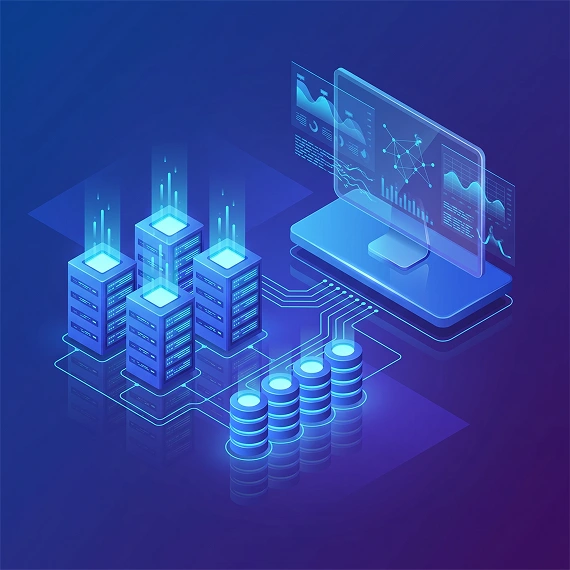
3i Data Scraping company offers tailored solutions for aggregating data based on your company’s unique requirements. We gather multiple sources of data and combine them into one comprehensive data set. We take unorganized data and make it into a clean and structured format. Businesses use the quality data collected by us to see how demand is changing for their products, what price to set their products at, and to track their inventory in real time.
Companies in real estate use our aggregated data sources to investigate property trends and developments of projects. We design each solution to meet your requirements, especially in terms of how accurate, scalable, and rapidly produced the data is. Our team researches, cleans, and validates all of the data received from external sources before we deliver to you the final result.
We follow all relevant standards for data handling, including GDPR and CCPA. Using the data generation processing workflow provided by us will reduce the amount of time required to generate reports and allow for easier decisions through automation. We have over 800 businesses as clients throughout the world who count on us to build a smarter system through aggregated, reliable data.
Core Use Cases of Data Aggregation
E-commerce Analytics
Market Research
AI Model Training
Price Monitoring
Real Estate Insights
Lead Generation
Multi-Source Data Aggregation at Scale
Data aggregation is the collection from multiple sources, bringing those together to provide complete end-to-end data scraping. We ensure our clients get both generated and client-sourced clean, high-quality, structured datasets for competitive intelligence as well as other areas of business. Businesses use aggregated data that is accurate and actionable, at scale, to monitor their competition and automate their processes.
Custom/Domain-Specific Datasets
AI Training Data Collection
Contact & Lead Data Collection
Product and Pricing Data Collection
API-based Data Collection
Image & Video Metadata Collection
Document & PDF Data Extraction
Synthetic Data Generation
Key Industries We Serve


Our Structured Data Aggregation Process

Goal Definition
Clearly define business data/technical requirements before getting into data.
Source Mapping
Find and map out all possible data sources by using websites, forums, documents, platforms, etc.
Data Extraction
Collect all publicly available data by creating and using advanced crawlers and up-to-date tools.
Data Cleaning & Validation
Raw data will be cleaned, alpha numericized, validated, and returned as usable.
Data Delivery
Deliver the final datasets in CSV, JSON, XLS, and XML friendly formats.
Advanced Technology for Data Aggregation
Data Extraction Libraries
Selenium, BeautifulSoup, Scrapy, Playwright data extraction tools.
Compliance Standards
GDPR, CCPA, and website terms of service guidelines are to be followed.
Data Output Formats
We clean, normalize, and verify all data for completeness.
Analytics & Visualization Tools
The final dataset is provided to companies in CSV, JSON, XLS, and XML formats.
Why Choose 3i Data Scraping?
Custom Data Pipelines
Customized data pipelines aggregate, operate on, and organize disparate data sources. We ensure that we create structured datasets for specific needs. These custom dataset pipelines further help companies focus on their required insights at all times.
Multi-Source Integration
Data is aggregated from other sources (websites, APIs, etc.). Regardless of the source of the data, it will be able to produce a uniform dataset, leading to improved quality of information available to businesses to make informed decisions.
Real-Time Processing
Data aggregation occurs from many sources. This in turn gives businesses the ability to assess business changes. It also helps them track all of the trends and keep a check on the competitive activity almost instantly.
Error-Free Data Handling
The advanced data validation process will remove duplicate records, make corrections where necessary, and ensure that dataset remains clean so that accurate reporting and analysis can be conducted on it.
Enterprise-Level Security
Your data is subject to very robust security measures while collecting, transporting, storing, and monitoring so that you have full confidentiality and no risk associated with your operation.
Business Intelligence Ready
Structured datasets are formatted to deliver business intelligence through faster insight, more effective reporting and better strategic decision making.
Frequently Asked Questions
What is data aggregation?
Data aggregation refers to the process of retrieving and collating different types of information gathered through a wide range of sources. Post collection of the data from different sources, the system then creates a consolidated view of that data. Thus, it eliminates duplicate data and organizes it in a way that makes analysis easy. Such data is used for further insights by businesses and organizations. This is because it helps with reporting, forecasting, and decision-making. Aggregated data will help increase the speed of information retrieval. This in turn further allows for time savings during manual research. Team members can work with clean, consistent, reliable data in various platforms and systems.
How does data aggregation work?
Data aggregation involves numerous stages of processing raw data gathered in multiple ways (e.g., web-based apps, API’s, documents and databases) into a single source dataset. This is done by extracting (integrating) relevant information, cleaning it, standardizing its format, and combining these datasets. Then it validates to check and eliminate any errors before the final datasets can be delivered in a usable file format (CSV or JSON). This process allows business professionals to gain faster access to organized and actionable business intelligence.
Reasons to aggregate data for businesses?
Businesses realize the value of aggregated data for faster and better decision-making. With aggregated data, businesses have one view of all the information collectively. They gain insights into exploring new markets more quickly and also reduce research time. Moreover, with the aggregated datasets, businesses can also track pricing, analyze customer demands, and also track trends all at the same time. The best aspect is that it also provides for automation and analytics. Thus, aggregated data is usually accurate and helps make them efficient, minimize risks, and react quickly to market changes.
What sources are used for data aggregation?
Data aggregation is performed through different types of sources such as websites, online databases, APIs, PDF files, and social media platforms. Many other types of data are also included in data aggregation. These include and are not limited to, forums, marketplaces, and public records. Now these sources contain different types of data and can hold value as points of reference for data. Only publicly available data will be collected by the system. As a result of this, each data source will go through a set process in order to evaluate its relevance, accuracy, and consistency. This is rigorously carried out for being combined into structured sets of data that can be used for business purposes.
What industries benefit from data aggregation?
Companies from many industries aggregate large amounts of data to better serve their customers and improve marketing strategies. E-Commerce uses aggregated data to track inventory and pricing while health care analyzes patient and research data. Financial services on the other hand examine industry trends while real estate monitors property values. As of creative industries, the marketing teams view purchase behaviour. Now, technology companies rely heavily on aggregated data for the development of artificial intelligence and automation programs. Virtually all areas of business benefit from using structured, dependable data.
Is data aggregation legal and compliant?
Data aggregation adheres to strict compliance guidelines including but not limited to GDPR, CCPA, and terms of use for respective websites; as such, no private or sensitive information will be collected while gathering any publicly available data; secure systems will be used to ensure that data is handled ethically and through a compliance review process throughout the entire project. Businesses will therefore have safe, legal, and reliable datasets that satisfy all analytical and operational requirements.
What Clients Say About Us

Dale Morris
United States
helping us identify opportunities faster and make smarter, data-driven investment decisions.

Mariana Velez
Colombia

Luke Nicholson
United States
with their professional web scraping services, delivering details as required.

David Jones
United Kingdom
Their services were very comfortable, quicker, and less overwhelming. The finest part is their outstanding communication and data results!

Paula Jones
United States
It's as easy as I have explained! The web data scraping services they provided to me were exceptional. It has been a pleasure working.

Mark Peterson
United States
but now it takes only some hours. Thanks to 3i Data Scraping’s game-changing capability, working with these guys has been a pleasure.
Our Latest Blog
Shopify Store Scraping: How to Monitor D2C Competitor Launches
Learn how Shopify store scraping helps D2C brands track competitor product launches, pricing, discounts, and stock changes to make smarter decisions.
Web Data Collection for Marketing Agencies in the USA
Web data collection helps US marketing agencies track competitors, prices, reviews and SERPs. Learn the top use cases, legal basics and when to outsource.
TikTok Shop USA Data Scraping: How Do You Spot Trending Products Early?
Scrape TikTok Shop USA product, price, sales and seller data to spot trending products early. Learn how brands use it to plan launches and stock.